Remember what was there
Work from belongings documented before the loss instead of trying to rebuild every room from memory.
Home inventory for insurance
If belongings are stolen, damaged, or destroyed, remembering everything you owned can be difficult. Build the record while the details, photos, and identifying information are still available.

Theft, fire, storm damage, and other losses can leave you describing a home that no longer looks the way it did before. A pre-existing inventory gives you something concrete to reference.
Work from belongings documented before the loss instead of trying to rebuild every room from memory.
Reference model numbers, serial numbers, photos, and other details when a generic description is not enough.
Pull up the purchase details, recorded value, condition, notes, supported attachments, and links you kept with the item.
Use your inventory as a personal reference when discussing damaged, destroyed, or stolen belongings with your insurer.
Document it before you need it
Keep a visual record of the item, its condition, labels, and details that may be difficult to reconstruct later.
Record the identifiers that distinguish the exact appliance, electronic, tool, or other belonging you own.
Keep the purchase date and other ownership context with the item instead of relying on memory.
Save a value for your own reference alongside the rest of the item record.
Document the condition while the belonging is still in front of you.
Preserve additional identifying information or context that does not fit somewhere else.
Attach private PDFs or JPEG, PNG, and WebP images of receipts, invoices, manuals, or warranty documents.
Keep manufacturer pages, product references, manuals, and other useful sources close to the item.
Organize the inventory by room or another structure that helps you work through the home.
The things you would have to remember
Document the belongings you would otherwise have to identify, list, and value from memory.
Furniture, televisions, speakers, artwork, rugs, lamps, décor, clothing, jewelry, watches, and personal belongings.
Refrigerators, ovens, dishwashers, washers, dryers, coffee makers, mixers, cookware, and other household equipment.
Computers, monitors, tablets, phones, cameras, printers, networking equipment, accessories, and smart-home technology.
Power tools, lawn equipment, generators, bicycles, sports equipment, camping equipment, and outdoor furniture.
Musical instruments, collectibles, toys, holiday decorations, exercise equipment, luggage, hobby supplies, and ordinary belongings that are easy to forget.
Room by room
Use categories such as Kitchen, Living Room, Bedroom, Office, Garage, or Laundry so the record follows a structure you can work through again if you ever need it.

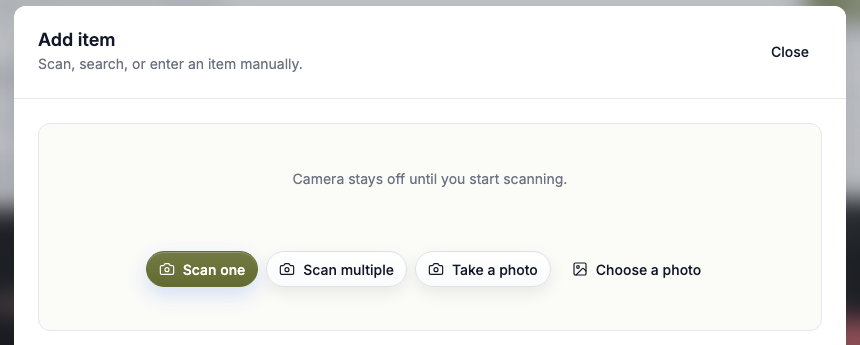
Faster documentation
Add a photo and the details you know while the item and identifying label are still available. Use supported scanning or lookup when it helps, and add the rest manually when it does not.
Keep a clear image of the belonging and any labels or identifying details worth preserving.
Add brand, model, and serial numbers while the label is still accessible.
Add purchase details, condition, value, notes, and useful links when they matter.
Keep PDF or image copies of receipts, invoices, manuals, or warranty documents with the item.
Create the record without depending on Catalist recognizing a universal product barcode.
Your record, your policy
Catalist helps you maintain your own personal-property record. Your insurer and policy determine what documentation is accepted, what is covered, how value is calculated, and how a claim is handled.
Useful on ordinary days too
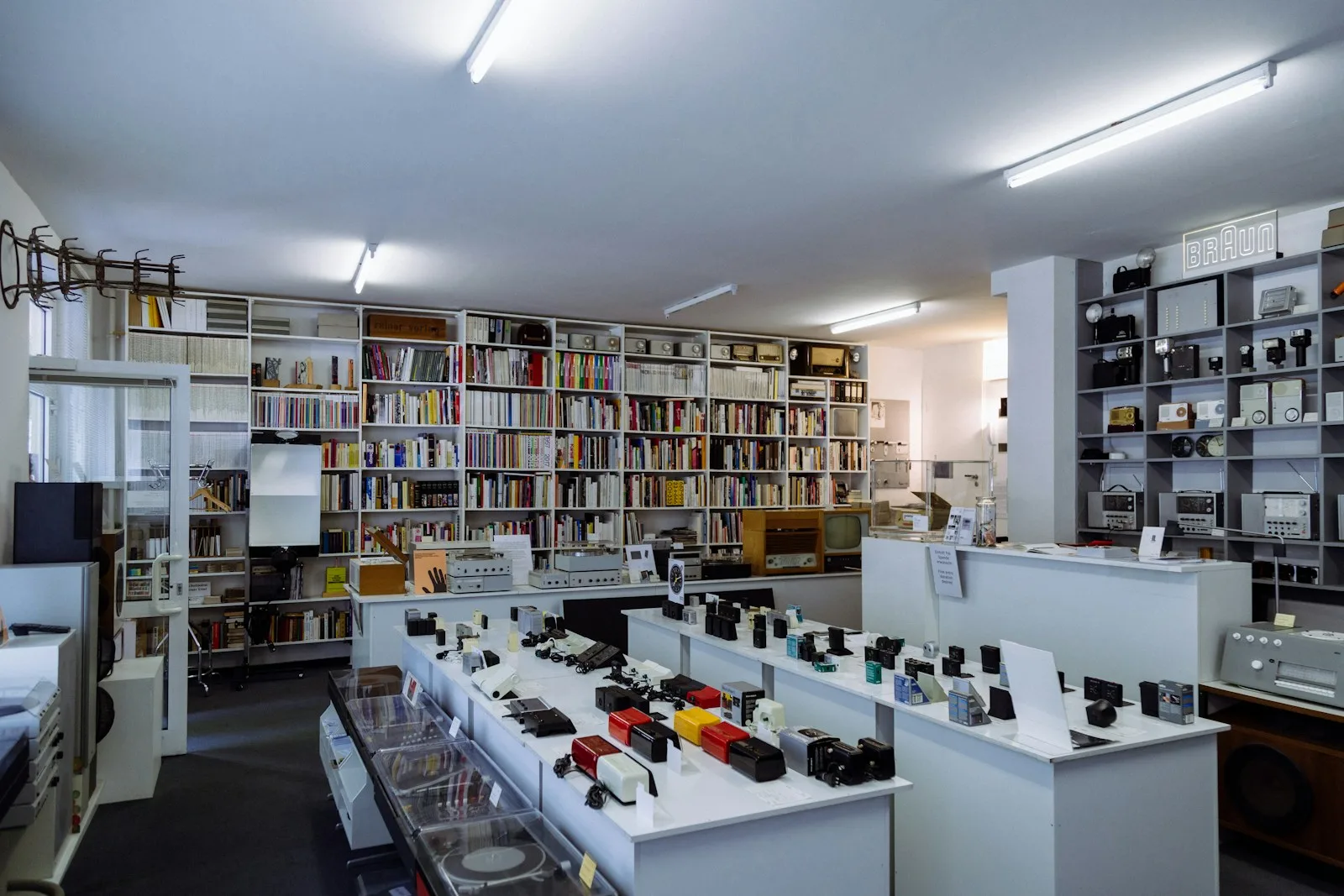
The same photos, model numbers, serial numbers, purchase details, recorded values, condition, supported attachments, notes, and links can help with repairs, replacements, resale, moving, and everyday ownership.
Keep the insurance use case connected to the broader home inventory you already maintain.
Explore home inventorySimple pricing
Start free or go Pro. Your home inventory can live in the same Catalist account as the rest of what you keep track of.
Catalist Free
Use the complete cataloging experience for up to 75 items across 2 collections.
Catalist Pro Monthly
Catalog unlimited items across unlimited collections.
Catalist Pro Annual
Get the same unlimited Pro plan and save with annual billing.
Questions, answered
What to know about maintaining a personal-property record for insurance conversations.
If belongings are stolen, damaged, or destroyed, a home inventory gives you a pre-existing record of what you owned. Photos, identifying details, purchase information, recorded values, condition, and notes can help you account for those belongings when discussing a loss with your insurer.
Document belongings throughout the home, not only expensive items. Useful records can include photos, descriptions, purchase dates, model and serial numbers, recorded values, condition, notes, and relevant links.
Yes. Photos create a visual record of belongings and can preserve condition, labels, model information, and other identifying details.
Serial numbers can help identify electronics, appliances, tools, and other items more precisely. Catalist lets you keep model and serial numbers with the item record.
Yes. Homeowners and renters can both use Catalist to document the personal property they own.
Yes. Use categories such as Kitchen, Living Room, Bedroom, Office, Garage, or Laundry. Categories organize the records without implying a separate location feature.
Yes. Attach a PDF or JPEG, PNG, or WebP image, up to 10 MB each. Catalist does not extract or verify the document contents.
No. Catalist can help you maintain a record of your belongings, but coverage questions should be discussed with your insurer or agent.
No. Catalist does not provide appraisals or replacement-cost estimates. You can keep a value on an item for your own reference.
No. Documentation requirements vary by insurer, policy, item, and claim. Catalist helps you keep your own records; the insurer determines what it accepts and how a claim is evaluated.
No. Catalist does not generate insurance claim reports or file claims on your behalf.
No. Catalist is private by default.
Yes. The same records can help with repairs, replacement, resale, warranty questions, moving, and everyday reference.
Build the record while the things you own are still right in front of you.
Private by default · One catalog · Everything you own